
Staggering Indebtedness

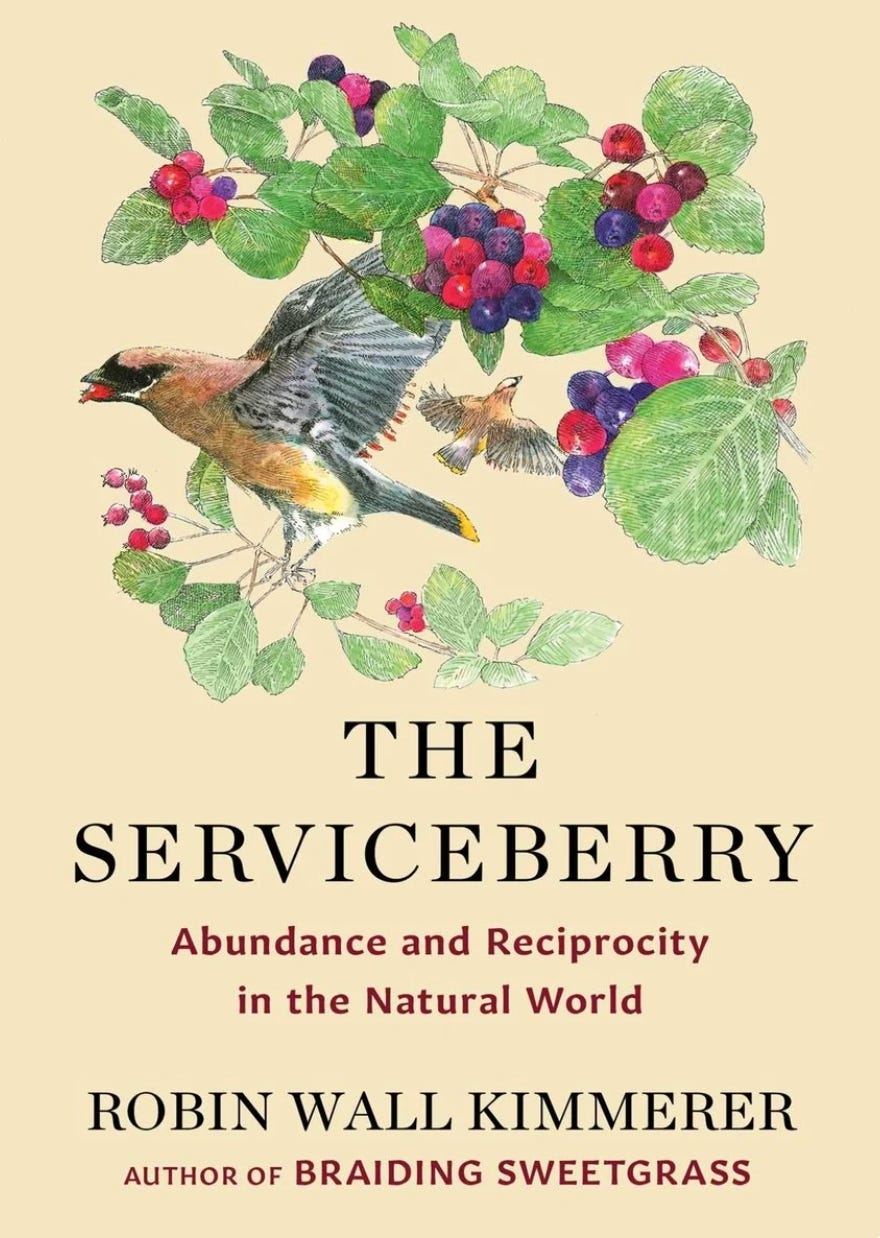
We are desperate to pretend we are self-sufficient. But spend a cold morning sitting against the bark of an oak tree and that will cure you of that illusion rather quickly. I’m reading Robin Wall Kimmerer’s short, but fabulous, book The Serviceberry: Abundance and Reciprocity in the Natural World and she speaks of an “the indebtedness can stop you in your tracks.” It’s a truth that any hunter, fisherman, or wanderer knows in their bones.
In the modern world, debt is a chokehold—a matter of ledgers and interest rates that sours the blood. But go out in the woods, go wading waist-deep in a cold trout stream, and indebtedness becomes something entirely different.
When you pull a grocery store steak from its plastic wrap, you owe nothing to anyone but the cashier; the transaction is dead and finished. But when you pull a grouse from the brush or hold a trout in your hands, the market economy evaporates. You have been handed a piece of the world’s flesh. You didn’t earn it, and you certainly didn’t manufacture it. The indebtedness, again, stops you. A quiet, slightly terrifying pause where you look down and realize how much you require to survive—and at what cost. Bound to the land by a different kind of debt.
Our lives become the currency.
You cannot write a check to a river or swipe a card for a deer. The earth accepts no currency but our own behavior. To live with this kind of debt means you must walk through the woods with your eyes open, engaging in the often bloody and always beautiful ritual of absolute dependence.
I go outside to remind myself that I am owed nothing. I am fed by grace. And the only response to the earth’s wild abundance is a lifetime of radical, quiet gratitude and reciprocity.